The RecreationHQ Blog
The Playbook
Cost recovery, revenue, operations, and growth. Practical playbooks, sourced and written for directors.

Parks and Rec Accounting Software: Making Registration and Finance Reconcile
Registration data lives in one system and the ledger in another. What to require so program revenue reconciles automatically instead of by spreadsheet.

Who Owns PCI Compliance When a Vendor Takes Your Registration Payments?
Vendors all say they handle PCI. Some shrink your scope, others quietly hand you the liability. Here is how to tell the difference from an RFP response.

Four Agencies Scored the Software. None of Them Scored the Exit.
Five real recreation software RFPs, read end to end. Cost is weighted 30 percent in one and zero in another, and not one rubric scores the exit terms.

The Demo Is Theater: A Scorecard for Evaluating Recreation Software Vendors
Stop watching the vendor's happy path. Four scenarios to make every finalist run live, a scoring rubric, and reference questions that surface problems.

Youth Sports Registration Software: A Buyer's Guide for Leagues
A buyer's guide for volunteer-run leagues moving off spreadsheets and Venmo. What to require, how state background check laws differ, and the fee stack.

Facility Booking Software: What Parks Departments Should Require
Parks facility booking is harder than booking a conference room. What to require on allocation, resident pricing, deposits, weather, and records.
What Recreation Software Actually Costs: Reading a Quote Past the Subscription Line
The subscription line is the smallest number on a recreation software quote. Here are the four places cost hides, and how to build a 5-year total.

ActiveNet Alternatives: What to Check Before You Switch
Before you shop recreation software, establish your data, scope migration, and lock exit terms. A switching checklist for parks and rec directors.

Best Recreation Management Software: How to Actually Evaluate the Field
There is no single best recreation management software. Here is an evaluation frame that survives procurement, plus who makes up the incumbent vendor set.

What Is Recreation Registration Software? A Plain-English Guide
Recreation registration software explained without vendor jargon: what it does, how it differs from a form builder or ticketing tool, and four things that matter.

You May Not Need an RFP: Cooperative Purchasing for Recreation Software
Recreation software co-op contracts live in the IT and software category, not parks and rec. Here is where to look and the state law caveats that decide it.

How to Write a Recreation Software RFP That Gets You the Right Vendor
Most parks and rec software RFPs score features, not outcomes. Here is how to write requirements and weights that pick the right system, not the tidiest proposal.

Your 90-Day Cost Recovery Challenge: From 0% to 25%
Step-by-step implementation guide covering every strategy in this Playbook, prioritized by ROI, with a realistic 90-day roadmap and success metrics for each phase.

Mobile-First Operations: Why Your Recreation Department Needs an App
Most registrations start on a phone. Many departments still run desktop-era flows. The abandonment that causes is the one nobody measures.

Preschool Programs: The Early Childhood Market Recreation Can Own
Preschool programs carry some of the best margins and renewal rates in recreation, and most public departments underserve the market.

Program Pricing: The Three-Tier Model That Works
Three-tier pricing widens access, protects your core price, and captures top-end willingness to pay. Here's the model, the psychology, and the setup.
Facility Maintenance ROI: Why Deferred Maintenance Costs More Than Prevention
A $10,000 deferred maintenance task becomes a $40,000-$60,000 emergency replacement. Here's the math on prevention vs. deferral.

Virtual Programs: The Hybrid Model That Actually Sticks
Hybrid programs reach families who can't show up in person and renew at the highest rates of any format.

Partner Power: How to Fund Programs Without Raising Taxes
Most departments have fewer than two active institutional partnerships. Here's the partnership map and what each category delivers.

Membership Programs: Why They Work for Gyms (But Not Yet for Parks)
Gyms have mastered recurring revenue through memberships. Recreation departments can too, but not the same way. The mechanism transfers; the model has to be rebuilt.
Making the Case to City Council: A Recreation Director's Budget Pitch Guide
You know the software is right. Now you need council approval. Here's the NRPA-benchmarked pitch structure, the data to bring, and the three objections you'll face.

Senior Programming: The Demographic Trend Your Department Is Missing
Adults 65+ will outnumber children in the U.S. by 2029. Most rec departments are not ready.
Operating Costs Are Rising: 3 Ways to Offset Without Raising Fees
Utility costs, labor, and maintenance are up 12-18% YoY. You can't raise fees. Here are three proven strategies to offset the pressure without touching your pricing.

Winning Grants: Three Funding Sources Most Departments Ignore
The average recreation department applies for fewer than 3 grants/year despite 50+ being available. Many of those programs are chronically undersubscribed.

Adaptive Recreation: Programs for Everyone (And Why It's Good Business)
28.7% of U.S. adults live with a disability. Adaptive programs are rarely more than 5% of most departments' offerings.

Staff Burnout in Parks and Rec: Why You're Losing Your Best People
The average cost per hire is $5,475, and burnout compounds it. Here's what drives it and the retention strategies that work.

Youth Sports Pricing: What Parents Actually Pay (And Why)
The average family spends nearly $1,500/year on youth sports. Public rec captures only about 8% of it. The gap is a pricing decision, made by default.

5 Signs Your Growing Recreation Program Has Outgrown Its Software
Running more programs but everything feels harder? Here are the five diagnostic signs that your software is the problem, not your team.
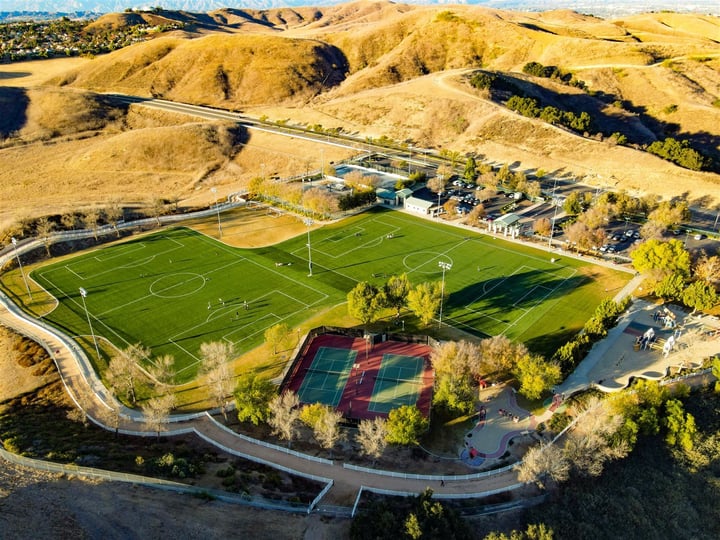
Facility Scheduling Wars: How Software Stops the Chaos
Manual facility scheduling costs departments an average of $60k/year in lost revenue and wasted labor. Most of it hides in under-used slots nobody thought to sell.

The Summer Slump: How to Fill Programs When Families Go Dark
May through August is when participation drops and revenue leaks. The families don't disappear; they drift.
One playbook a week
Get new playbooks by email.
One practical, sourced playbook for recreation directors every week. No fluff, unsubscribe anytime.
Or start with the cost-recovery audit. Plans from $2.99/month.