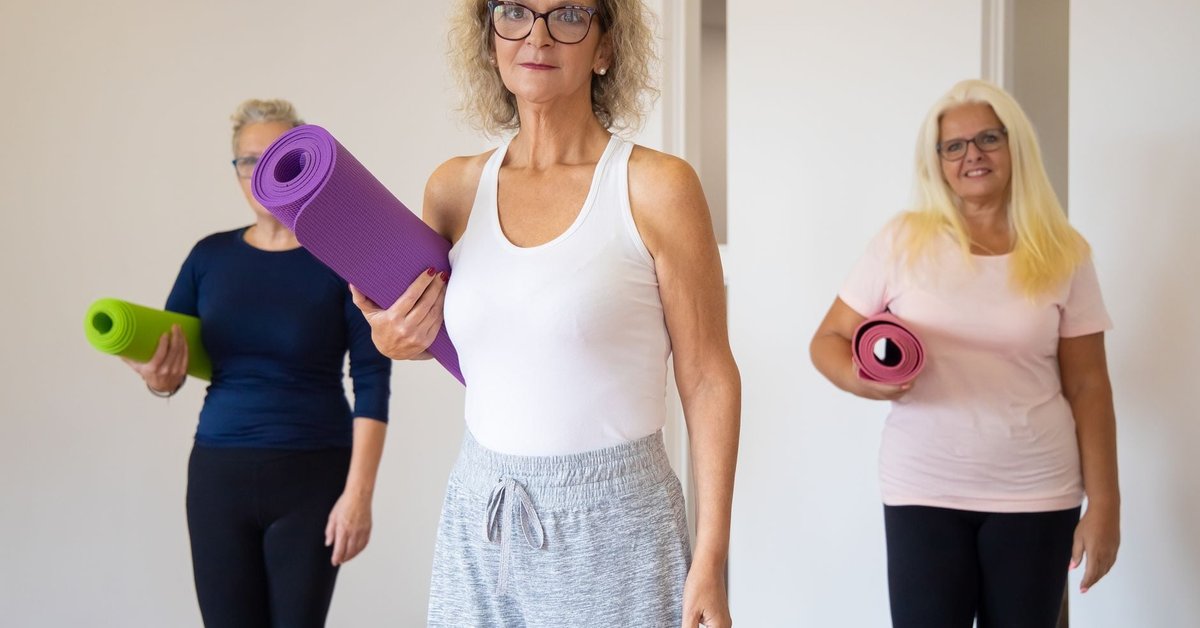
The 65-and-older share of the US population is on track to pass the under-18 share. In the Census Bureau's middle-series projection, the older age group's share of the population surpasses the younger group's in 2029. Many public recreation departments have not adjusted their program mix to match.
What seniors want from recreation
Social connection comes up again and again. In an AARP survey of 1,010 adults age 50 and over, 74 percent cited in-person socializing as the key to their happiness (AARP Research, 2024). Loneliness is a related concern: An AARP survey found that 40 percent of adults 45 and older report feeling lonely (AARP, 2025).
The practical takeaway is a design choice. Recurring groups where participants come to know each other are likely to serve that need better than one-off drop-in sessions. Treat this as a hypothesis to test in your own pilot, not a guarantee. Programs like these can also help address isolation whether or not your department calls it a health intervention.
The financial case for senior programming
Health-focused partners have a reason to care about older adults staying active. A 2024 study in Injury Prevention estimated that healthcare expenditure for non-fatal falls was US$80.0 billion in 2020, with the majority paid by Medicare. That gives falls prevention programming a plausible cost-avoidance story to bring to a health system or payer partner. Whether a given partner will fund it is a conversation to have, not something to assume.
Grants are another route. The AARP Community Challenge has funded more than 2,800 grants since 2017, investing $32.6 million in livability projects with a focus on adults age 50 or older. Confirm current eligibility and deadlines directly with AARP. For a broader look at funding, see our guide to funding sources most departments ignore.
Program ideas to consider
These are general suggestions to test, not proven rankings.
- Water fitness. If you have pool access, a senior water fitness class can be a fast way to start a program.
- Walking clubs and nature programs. These typically need little facility overhead or equipment, and the group format builds connection.
- Technology workshops. Help with smartphones, video calling and online services can reach people who do not attend traditional fitness classes.
Make sure programs work for participants of all abilities. Our post on adaptive recreation covers that side.
Partners to approach first
The Administration for Community Living describes an Area Agency on Aging as a public or private nonprofit agency designated by a state to address the needs and concerns of all older persons at the regional and local levels. Older Americans Act Title III-C funds the senior nutrition program, and ACL says congregate meals reduce social isolation while providing access to health screenings, transportation, and enrichment activities. Both are natural places to look for partnership ideas, so contact your local Area Agency on Aging early.
Getting started
Step 1: Contact your local Area Agency on Aging to learn what senior services already exist and where a recreation partner could fit. Step 2: Launch a six-week pilot, such as a water fitness series or walking club, and measure attendance and participant satisfaction. Step 3: Use the pilot data to make your case to funders; see proving program impact for how to report results. Step 4: Build an annual senior program calendar and promote it through senior centers, libraries, faith communities and health system partners. To fill seats, the four-touch rule for registration outreach applies here too.
Frequently asked questions
How do I start a senior program at my parks and recreation department?
Start small. Contact your local Area Agency on Aging, run a six-week pilot such as a water fitness series or a walking club, and track attendance and participant satisfaction. Use those numbers to decide what to expand.
What senior programs work best for parks and recreation departments?
There is no single best program, so test a few. Water fitness, walking clubs, yoga and stretching, and technology workshops are common starting points. Choose based on the facilities you already have and what older adults in your community ask for.
How can a recreation department fund senior programming?
Look at partnerships and grants. Area Agencies on Aging coordinate services for older adults locally, and the AARP Community Challenge has funded more than 2,800 grants since 2017. Check each program's current eligibility and deadlines before you plan around it.
Why does senior programming matter for recreation departments?
The population is aging and social connection matters to older adults. In the Census Bureau's middle-series projection, the 65-and-older share of the population passes the under-18 share in 2029, and AARP found 40 percent of adults 45 and older report being lonely.
Find your leaks
See what your organization could recover.
A 20-minute audit, your numbers, no obligation.
Get my cost-recovery audit →Or get one practical playbook like this by email, every week.