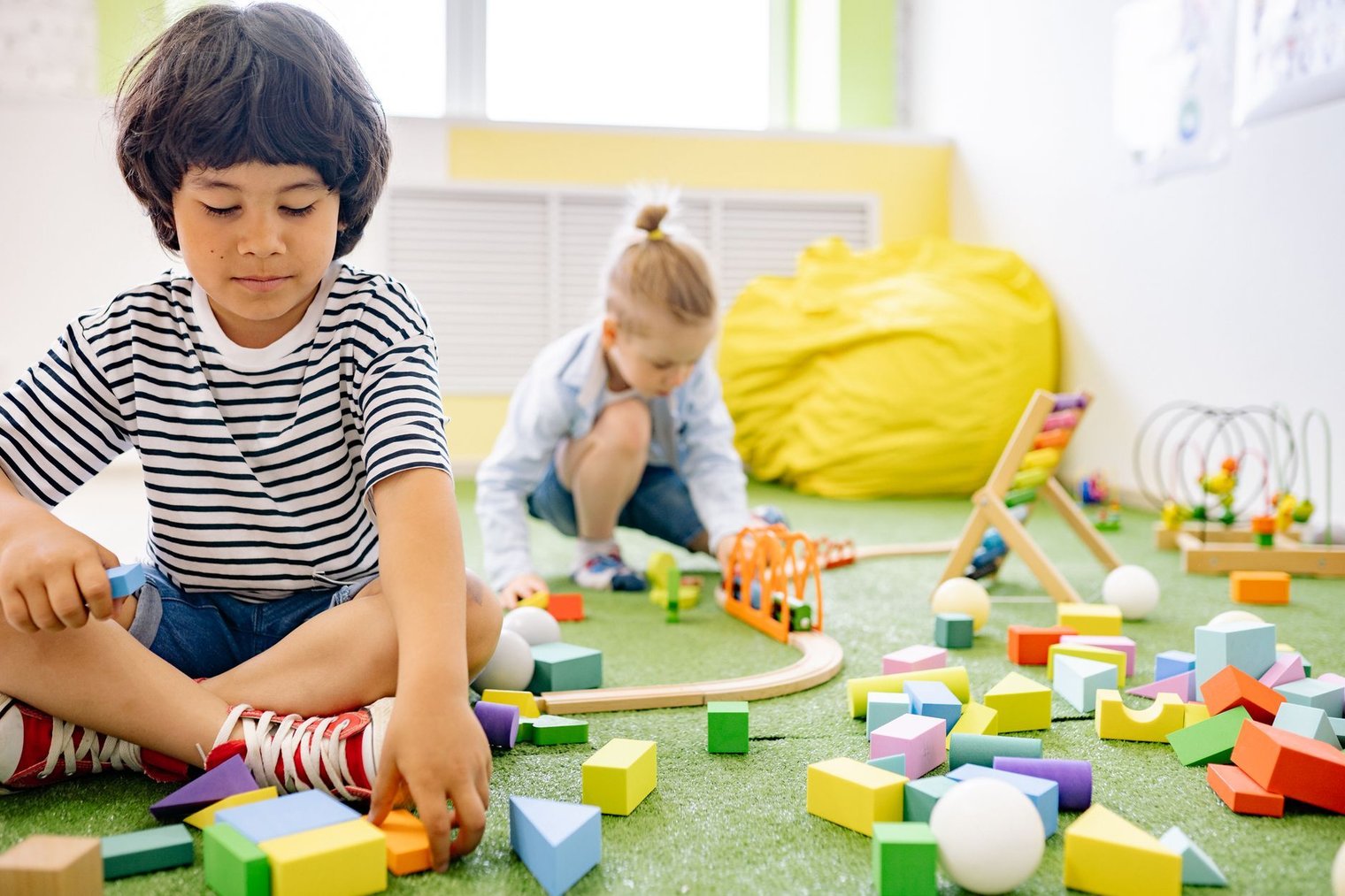
There are 22.4 million children ages 0 to 5 in the United States (Federal Interagency Forum on Child and Family Statistics, 2023). Parents of preschool-age children actively seek structured enrichment, movement, music, creative play, and sport introduction, and routinely pay private providers for it. The majority of public recreation departments offer fewer than two preschool program types. The opportunity gap between what families want and what public recreation provides is wide, and it's financially significant.
Why Preschool Programs Have the Best Economics in Recreation
Preschool programs carry margins most other program types cannot match. The reasons: lower equipment costs, existing facility infrastructure (most recreation centers already have appropriately sized spaces), strong parental price tolerance (families of young children are accustomed to paying $150–$250 per month for early childhood enrichment), and high retention rates (families who enroll in preschool programs renew at 78% rates year over year, among the highest in recreation). High-margin programs that renew at high rates are the most valuable program type a recreation department can build.
Programs With the Highest Participation
Parent-and-me classes (ages 18 months–3 years) carry no instructor-to-child ratio concerns because parents are present, have very high parent satisfaction scores (parents value the social connection as much as the child's experience), and generate strong word-of-mouth referrals within parent networks. Creative movement and music (ages 2–4) have low equipment cost, broad market appeal, and can run in almost any open floor space. Swim readiness (ages 3–5) is the highest-demand preschool program in communities with pool access. Most public pools have under-used weekday morning slots that are ideal for preschool programming. Sport introduction (ages 3–5), soccer shots, t-ball, multi-sport, runs in low-cost outdoor or gym spaces and captures families who want structured physical activity before competitive leagues begin.
Startup Costs and Revenue Projections
Typical startup cost for a single new preschool program: $3,000–$8,000 covering curriculum materials, instructor training, and initial marketing. Revenue per 8-week session: $160–$250 per child. A 10-child class at $200 per child for an 8-week session generates $2,000. Running four sessions per season with three class sections generates $24,000 in seasonal revenue from one program, at 40% gross margin, that's $9,600 in contribution after direct costs. Most departments that launch one preschool pilot are offering three or more preschool programs within two years because the economics are demonstrably better than most of what's already in the schedule.
Regulatory Considerations
Most recreation preschool programs that operate as structured enrichment (rather than full-day childcare) fall below most states' childcare licensing thresholds, particularly when a parent or guardian is present (parent-and-me formats) or when program duration is under four hours per day. Verify your state's specific thresholds before designing your program. Staff requirements for ages 3–5 in recreation settings: CPR/First Aid certification required, early childhood education background strongly preferred. Most community recreation coordinators can complete relevant training in a weekend.
Getting Started
Partner with your local preschool or childcare association to understand demand in your community. Pilot one parent-and-me class or creative movement series with 8–10 children at a modest entry price to build the audience and generate testimonials. Use participant satisfaction data from the pilot to fill a second section before the pilot ends, word-of-mouth in parent networks is the most effective marketing channel for preschool programs.
Find your leaks
See what your organization could recover.
A 20-minute audit, your numbers, no obligation.
Get my cost-recovery audit →Or get one practical playbook like this by email, every week.